
Do Apartment Buildings Need Balcony Inspections Under SB721?
Yes—most apartment buildings in California are required to comply with SB721 when they include exterior elevated elements and meet minimum unit thresholds.
Missing required inspections can create liability risks, tenant safety concerns, and delays in property transactions. This page helps you quickly determine whether SB721 applies to your building.
If you own or manage an apartment building in California, SB721 may require regular inspections of balconies, decks, and walkways. The answer depends on how your property is structured and used.
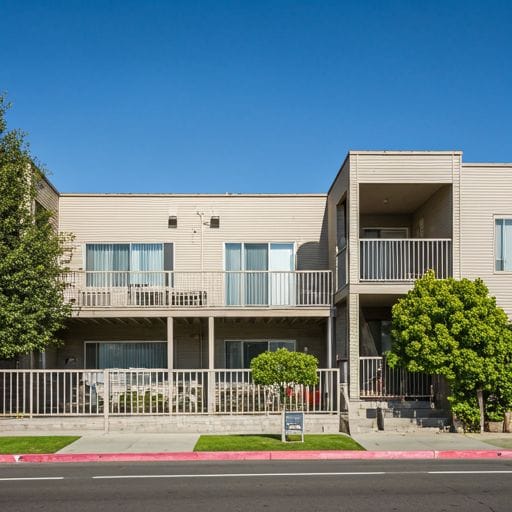
Does This Apply to Your Property?
Apartment Buildings
Multifamily rental properties with three or more units and shared exterior structures.
Mixed-Use Residential Properties
Buildings with residential units above commercial space that include balconies or walkways.
Investor-Owned Rental Properties
Income-generating properties where the owner is responsible for structural maintenance.
Non-HOA Multifamily Housing
Buildings not governed by an association, where compliance falls directly on the owner.
Why Apartment Owners Need to Pay Attention
SB721 is not just a regulatory requirement—it directly impacts property risk and tenant safety.
Failing to comply can result in:
More importantly, these inspections are designed to identify structural deterioration before it becomes dangerous. For apartment owners, this is both a compliance issue and a safety responsibility.
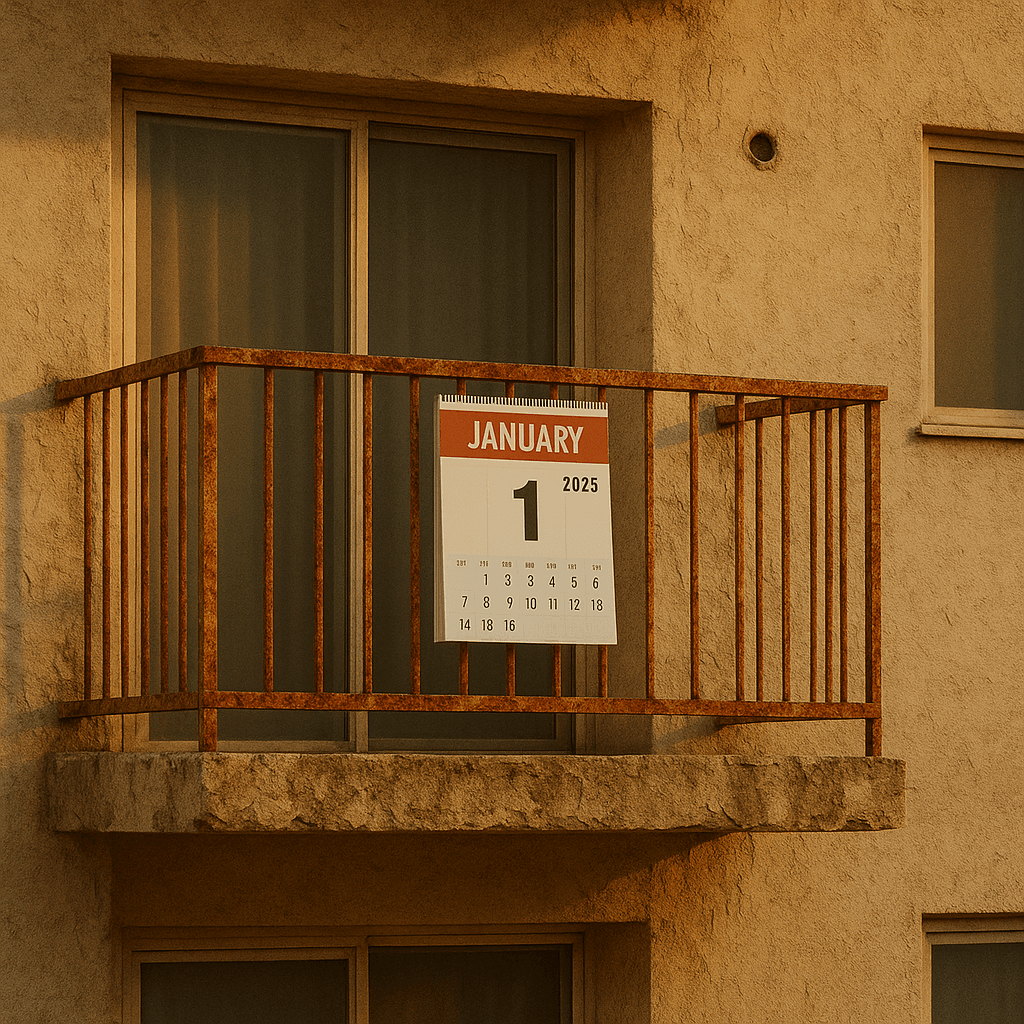
Common Triggers for SB721 in Apartment Buildings
SB721 applies when specific conditions are met.
If your property meets these conditions, it likely falls within SB721 inspection requirements.
In apartment buildings, these triggers are common:
Situations Where SB721 May Not Apply
Not all residential properties are subject to SB721.
Even if your property appears exempt, it’s important to verify. The checklist below helps confirm whether your building qualifies.
Common exceptions include:
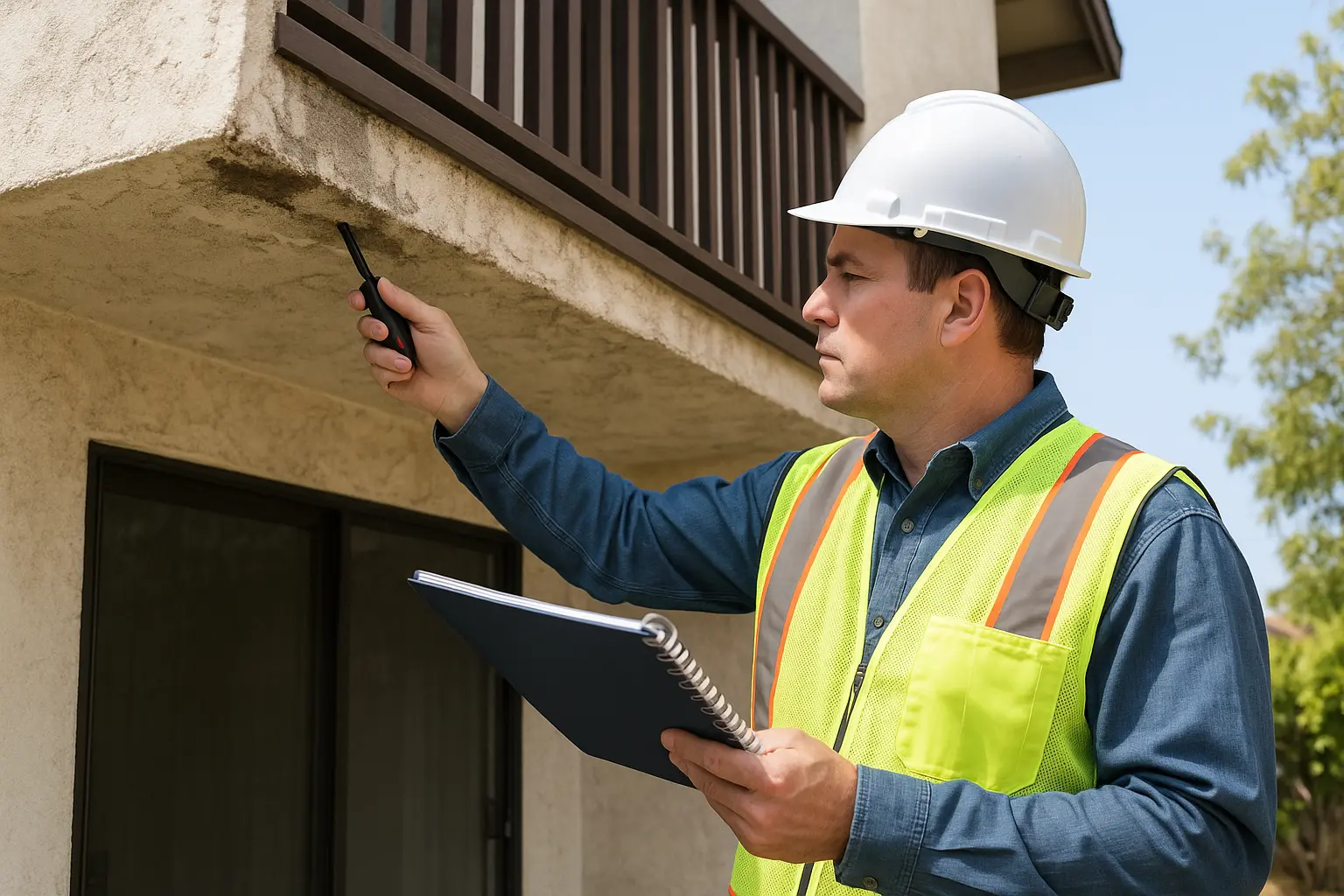
What Happens If Your Property Qualifies
If your building meets SB721 criteria, the next step is understanding how the inspection process works and what’s required to stay compliant.
Reviewing the full SB721 inspection requirements helps you prepare for timelines, documentation, and evaluation standards. You can also explore the SB721 inspection process to understand what inspectors assess and how results are reported.
Taking this step early helps prevent delays and ensures your property stays on track for compliance.
Frequently Asked Questions
No. It applies to most apartment buildings with three or more units that include exterior elevated elements and are used as rental properties.
The building owner is responsible—not tenants or associations.
Balconies, decks, stairways, and walkways that extend beyond exterior walls and rely on structural support.
Properties with fewer than three units, such as duplexes, are generally not included.
Missing deadlines can lead to enforcement actions, complications in property transactions, and increased liability risk.