
Do HOA Condo Buildings Need Balcony Inspections in California?
Yes—many HOA-managed condo buildings are required to comply with SB326. The key factor isn’t just ownership—it’s whether your property includes shared, elevated exterior structures like balconies, decks, or walkways.
Missing required inspections can create liability risks and unexpected costs for HOA boards. This page helps you quickly determine whether SB326 applies to your property based on structure, responsibility, and building type.
For HOA boards, property managers, and condo associations responsible for shared structures.
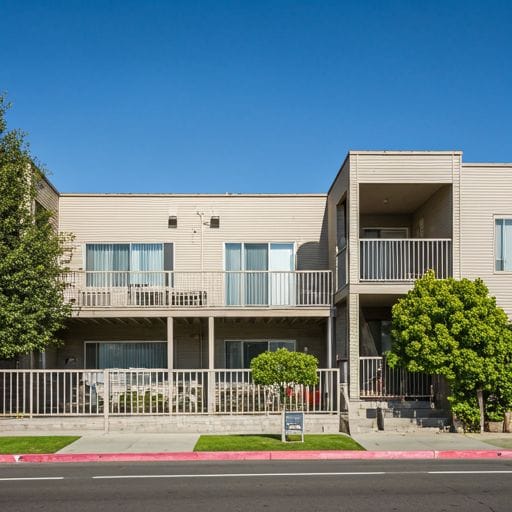
This Applies to Most HOA-Managed Condo Buildings
Condo Associations
Buildings governed by an HOA where maintenance responsibilities are shared across units.
Multi-Unit Residential Buildings
Properties with three or more units, especially where structural systems are interconnected.
Buildings with Exterior Elevated Elements
Structures that include balconies, decks, catwalks, or exterior stairs exposed to weather.
HOAs Responsible for Structural Maintenance
Associations accountable for maintaining load-bearing components that affect safety.
Misunderstanding SB326 Can Create Legal and Financial Risk
SB326 exists to prevent structural failures in elevated exterior elements. When applicable, compliance is not just a formality—it’s a safety requirement.
If an HOA fails to comply:
Understanding whether your property qualifies is the first step to avoiding these risks.
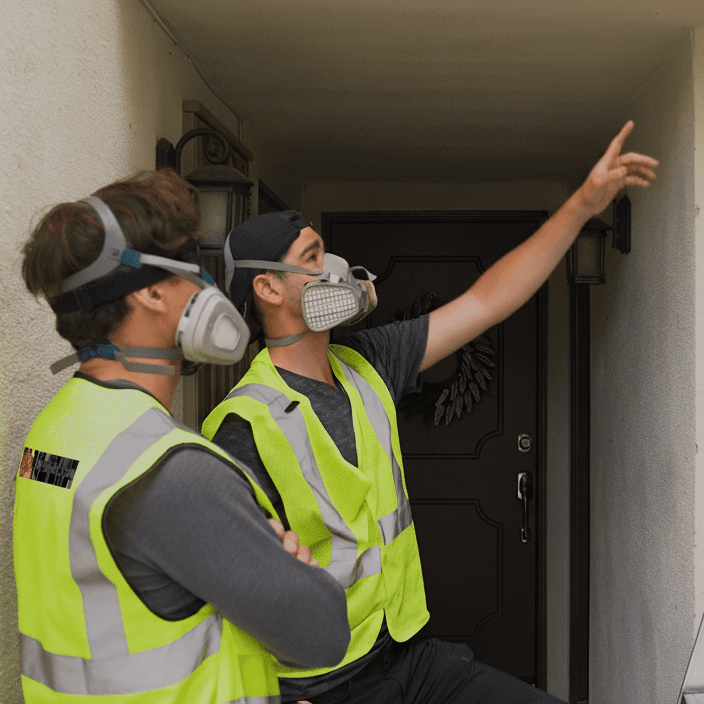
When SB326 Applies to Your HOA
SB326 typically applies if your property meets these conditions:
If all or most of these apply, your building likely falls under SB326 inspection requirements.
When SB326 May Not Apply
Not all properties are subject to SB326. Common exclusions include:
However, assumptions can be risky. Some properties fall into gray areas depending on how responsibility is defined.
Even if your HOA seems exempt, it’s important to verify. The checklist below helps confirm whether your property qualifies.
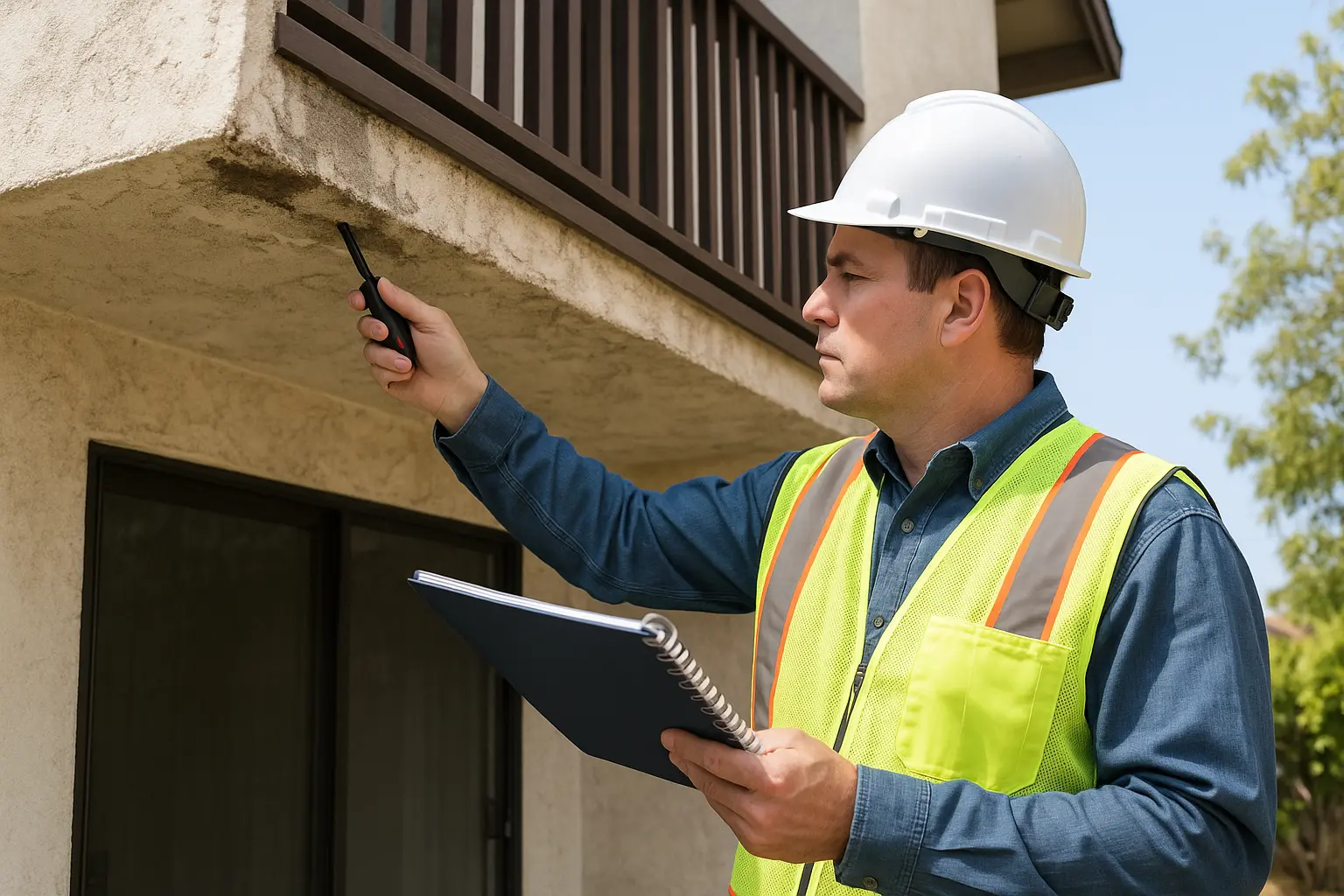
What Happens If Your Property Does Qualify
If your HOA is subject to SB326, the next step is preparing for a compliant inspection and proper documentation.
This includes understanding:
If you’re unsure whether your HOA qualifies, start with the checklist before moving forward. Once confirmed, you can review the full SB326 inspection process and plan accordingly.
Frequently Asked Questions
No. It applies primarily to condo buildings with three or more units that include shared elevated exterior elements.
The HOA is typically responsible, and costs are usually covered through association funds or reserves.
Sometimes. It depends on whether the HOA is responsible for maintaining shared elevated structures.
Any exterior structure elevated above ground level and exposed to weather, including balconies, decks, walkways, and stairs.
Non-compliance can lead to liability exposure, enforcement actions, and increased repair costs due to delayed maintenance.