
Do I Need a Balcony Inspection in California?
Missing required inspections can create compliance risk and costly delays. This page helps you determine your next step quickly.
If your property has balconies, decks, exterior stairs, elevated walkways, or similar exterior structures, California inspection laws may apply. Many HOA communities, apartment buildings, and multifamily residential properties are required to complete periodic inspections under state law.
This page will help you:
Instead of sorting through dense regulations, start with a practical screening tool.
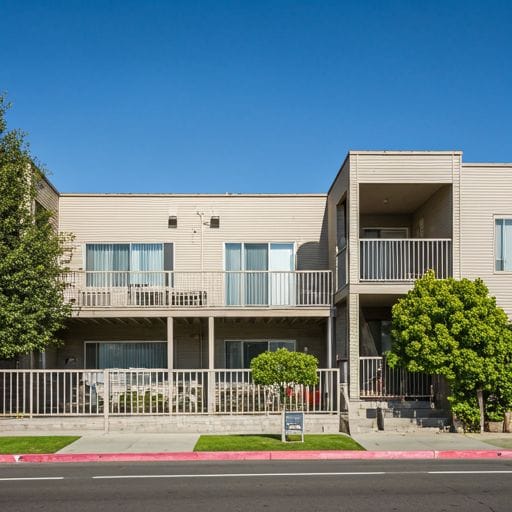
This May Apply to You If You Own or Manage:
HOA Condominium Communities
Associations responsible for shared balconies, walkways, stair systems, or elevated decks should review compliance obligations.
Apartment Buildings
Multifamily rental properties with exterior elevated elements are commonly subject to inspection requirements under California law.
Mixed-Use Residential Properties
Buildings with residential units above retail or commercial space may qualify if elevated structures serve residential occupancy.
Rental Complexes
Townhome rentals, garden-style apartments, and managed communities with shared exterior structures may fall under inspection requirements.
Asset Managers & Investors
Portfolio owners overseeing California multifamily assets should verify requirements across multiple properties and ownership structures.
If multiple units rely on common elevated walkways, stairs, or decks exposed to weather, inspection laws are often relevant.
Why It Matters
Ignoring required inspections can create avoidable risk for owners, boards, and managers. These laws are not only about compliance—they are also about safety, documentation, and preventing hidden deterioration.
Periodic inspections also help identify conditions early, before repairs become more disruptive or expensive.
Common consequences include:
It May Not Apply If:
Some buildings may fall outside common requirements, depending on structure type and use.
Examples can include:
Where People Get It Wrong:
If You Do Qualify, Here’s the Next Step
Once you confirm likely applicability, a professional inspection helps document compliance, identify damage, and outline needed repairs.
For HOA Condo Communities
Review SB 326 inspection requirements for condominium associations.
For Apartment Buildings
Understand the SB 721 inspection process for multifamily rental properties.
You may also want to review Balcony Inspection Cost and broader reserve or structural planning needs.
If you’re not sure where to start, use the checklist first to confirm whether your property qualifies.
Frequently Asked Questions
A balcony inspection is an evaluation of exterior elevated elements such as balconies, decks, stairs, and walkways to ensure they are structurally sound and safe.
No. Requirements depend on the building’s structure, number of units, and presence of exterior elevated elements.
Structures such as balconies, decks, exterior stairs, and walkways that extend beyond the building and are exposed to weather conditions.
Qualification depends on structural features—not just property type. Buildings with elevated, load-bearing exterior elements may require inspection.
Uncertainty is common. The safest next step is to use a checklist or have the building reviewed to confirm whether inspection requirements apply.
Missing required inspections can lead to compliance issues, increased liability risk, and potential delays in property transactions.