
California SB326 Inspections for
HOAs & Condo Associations
Licensed engineers helping condominium communities complete required SB326 exterior elevated element inspections with clear reporting, statewide coverage, and efficient scheduling.
Boards and managers need more than an inspection—they need a process that is easy to approve, easy to schedule, and easy to document. DrBalcony helps communities move from uncertainty to compliance with engineer-led execution.
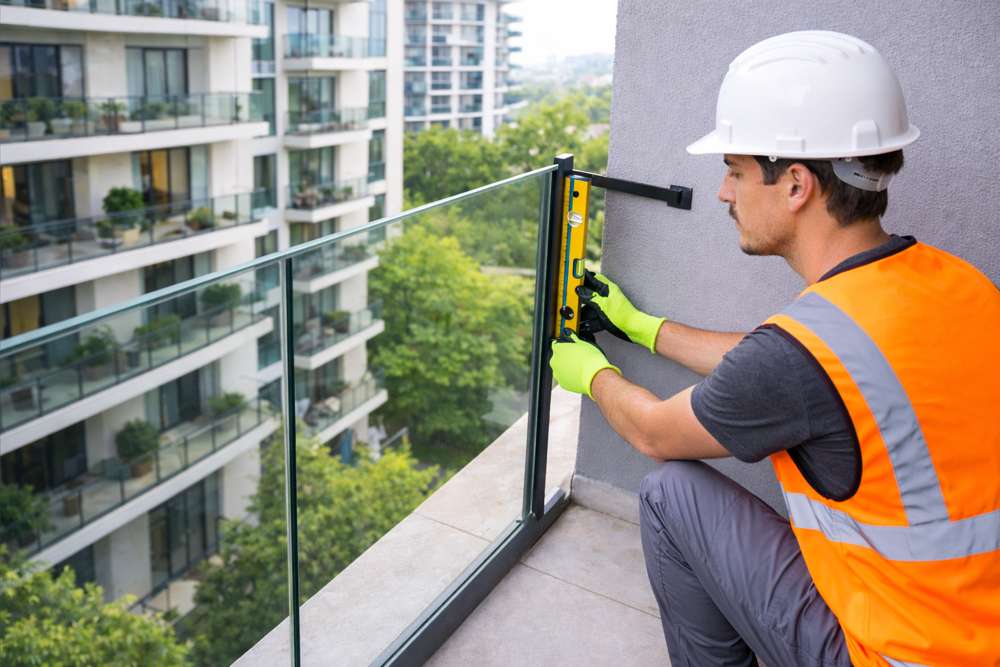
What Is SB326?
California Civil Code §5551 requires qualifying condominium associations and HOAs to complete inspections of certain exterior elevated elements that are supported in substantial part by wood or wood-based products. These elements commonly include balconies, decks, walkways, stairways, and similar structures attached to residential buildings.
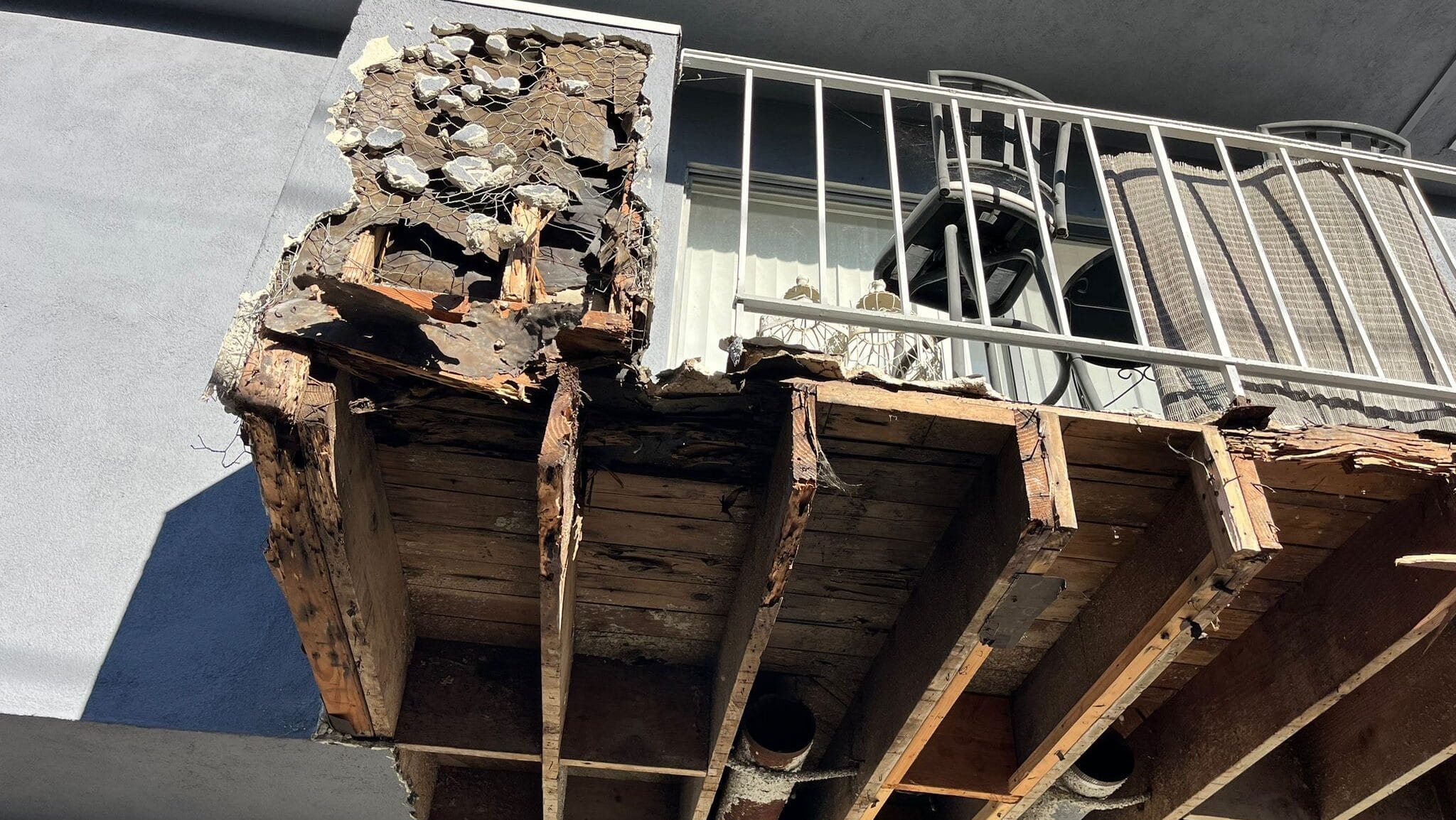
The purpose of the law is to identify safety concerns, deterioration, or structural issues before they become more serious. For boards, compliance is about protecting residents, maintaining property value, and meeting statutory obligations with proper documentation.
Our team helps associations understand whether their property applies, define the required scope, and complete the inspection efficiently.
SB326 AT A GLANCE
Who We Help
HOA Boards
Need approvals, budgeting clarity, resident communication, and confidence that the inspection process is handled professionally from start to finish.
Community Managers
Need scheduling coordination, documentation, vendor communication, and a reliable partner who keeps projects moving.
Condo Associations
Need compliant reporting, reserve planning insight, and a practical path for future maintenance decisions.
Why Boards Choose DrBalcony
California Licensed Engineering Team
Inspections performed with professional engineering oversight focused on structural safety and compliance.
SB326-Focused Workflows
Processes built specifically for HOA and condo association inspection requirements.
Statewide Scheduling Coverage
Serving communities across California with coordinated scheduling and responsive proposals.
Clear Board-Ready Reports
Findings presented in a format boards and managers can understand, review, and act on confidently.
How the SB326 Inspection Process Works
CALCULATION STEPS
What SB326 Inspection Pricing Depends On
Every property is different. Pricing typically depends on:
Number of units
Property layout and building count
Number of balconies, decks, walkways, or elevated elements
Accessibility and site complexity
Geographic location
Required coordination or phased scheduling
We provide clear proposals based on your community’s actual scope rather than one-size-fits-all pricing.
Need accurate pricing for your property?
Get a custom proposal with scope recommendations, timeline expectations, and scheduling options.
If Deficiencies Are Identified,
We Help You Move Forward
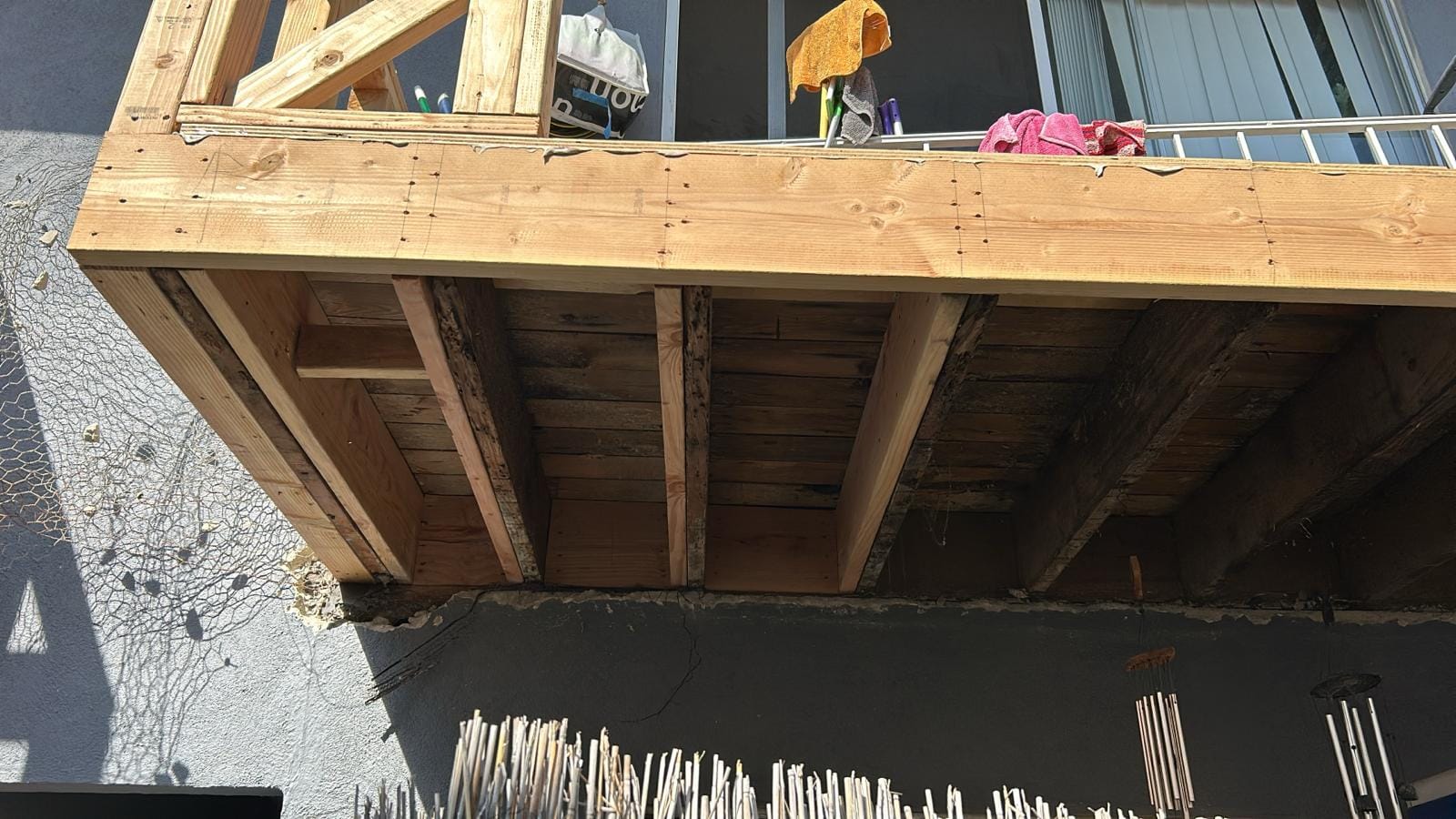
Inspection findings do not need to create confusion or delays. If deficiencies are identified, our engineering team can support the next phase with practical solutions and clear documentation.
Services may include:
- Repair design plans
- Structural recommendations
- Permit-ready scopes
- Prioritized corrective action planning
- Coordination support for next steps
This creates a smoother path from inspection findings to resolution.
Frequently Asked Questions
Does my HOA need SB326?
Many California multifamily properties with three or more units and qualifying exterior elevated elements may fall under the law. Applicability depends on building configuration and structural components.
What buildings are exempt?
Some structures may not qualify in the same way if they do not rely substantially on wood structural elements. A property-specific review is the best way to confirm.
Who can perform the inspection?
A California-licensed structural engineer or architect must conduct the visual inspection and issue the report to the board.
How long does inspection take?
Timing depends on scheduling availability, site size, access coordination, and report scope. Many projects can be planned efficiently with early scheduling.
How often is it required?
At least every 9 years. Depending on findings, targeted re-checks or repairs may be required sooner.
What if we missed the deadline?
You should move promptly to schedule a qualified inspection and document compliance efforts. Early action helps reduce ongoing risk.