
Balcony Inspection Resources & Guides
Understand California balcony inspection requirements, determine if your building qualifies, and take the right next step with confidence.
Do I Need a Balcony Inspection?
Learn whether your property likely requires inspection.
How Do I Know If My Building Qualifies?
Understand what structural features determine qualification.
HOA Balcony Inspection Requirements
See how SB326 applies to HOA buildings.
Apartment Balcony Inspection Rules
Determine if SB721 applies to your property.
Expanded Learning Modules
In-depth technical analysis for complex structural elements and compliance scenarios.
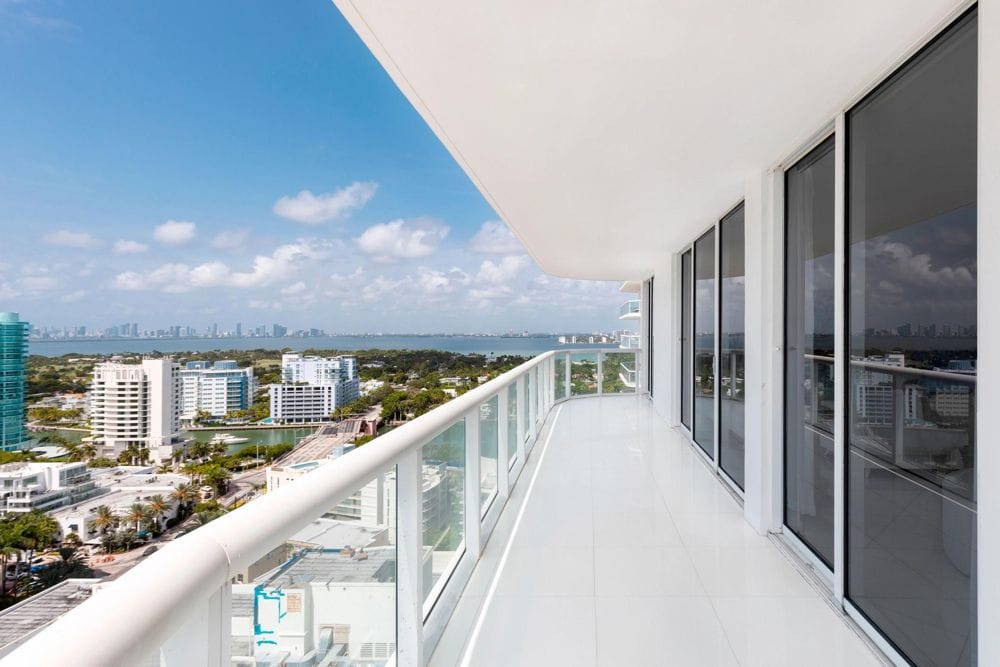
What Counts as an Exterior Elevated Element?
Review SB 326 inspection requirements for condominium associations.
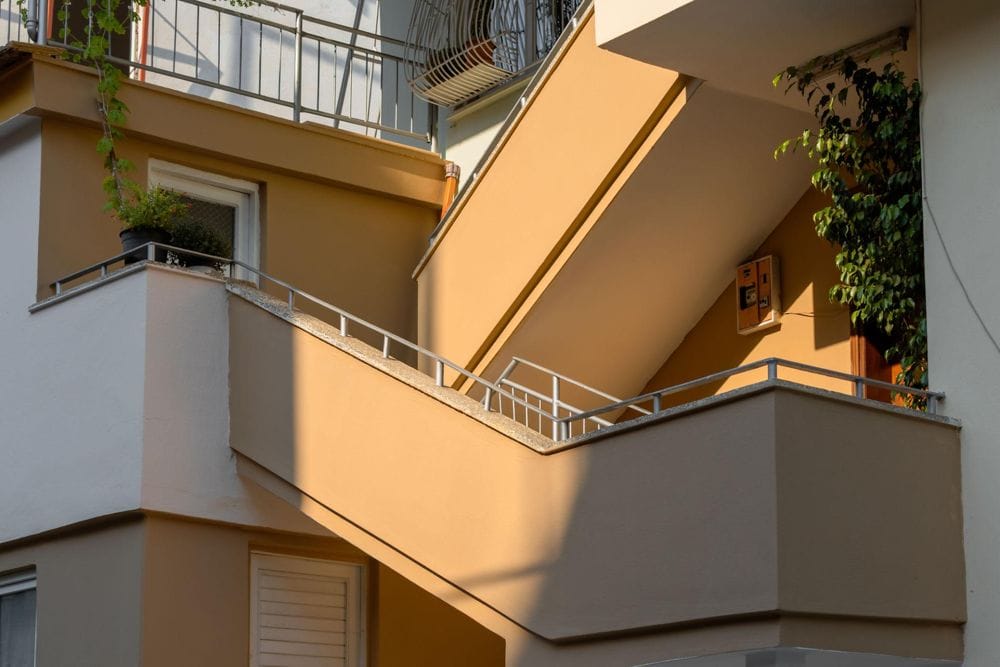
Are Exterior Stairs Included?
Review SB 326 inspection requirements for condominium associations.
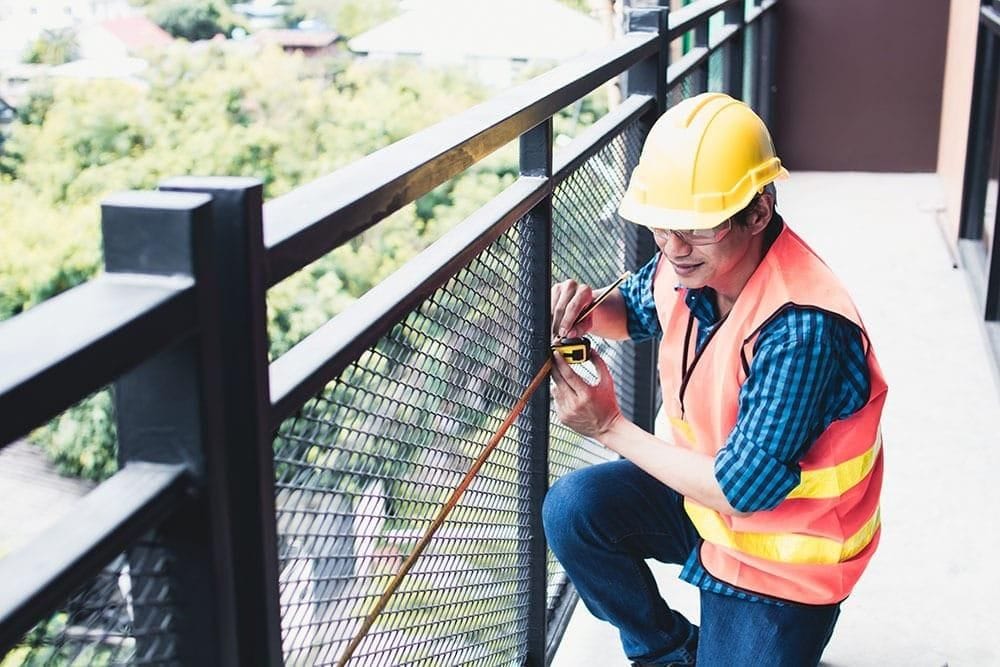
What Happens If You Miss an Inspection?
Review SB 326 inspection requirements for condominium associations.
Events & Training Sessions
Join our live interactive sessions to stay current with evolving building codes and safety technologies.
Lunch & Learn
Interactive on-site training for property management teams focusing on visual signs of dry rot and structural fatigue.
Webinar
Quarterly regulatory update focusing on new legislative amendments and common inspection plaintiffs to avoid.
FAQ
In California, balconies and other exterior elevated elements must be inspected every 9 years under SB326 (for HOAs/condos) and SB721 (for apartment buildings).
The initial deadline has already passed (January 1, 2025), so most properties are now on a recurring 9-year inspection cycle.
If significant damage is found, more frequent inspections or repairs may be required to maintain safety and compliance.
An Exterior Elevated Element (EEE) is any structural component that:
- Extends beyond the exterior walls of a building
- Is elevated more than 6 feet above ground
- Is designed for human use or occupancy
- Relies in whole or in part on wood structural components
Common examples include:
- Balconies
- Decks
- Exterior walkways
- Stairs
These elements are subject to inspection because they are exposed to weather and structural wear over time.
If an exterior elevated element is determined to be unsafe, the property owner or association must:
- Immediately restrict access to the affected area
- Perform necessary repairs to restore structural integrity
- Complete repairs within required timeframes to remain compliant
Failure to act can result in:
- Safety hazards for occupants
- Increased liability
- Potential legal and financial consequences
Prompt action is required to ensure both occupant safety and regulatory compliance.
Inspections focus on identifying structural deterioration and safety risks, including:
- Wood rot or decay
- Water intrusion or moisture damage
- Cracks in structural components
- Rust or corrosion in metal connections
- Loose or unstable railings
- Signs of movement or structural weakening
Because many issues are not visible on the surface, inspections often include invasive testing to assess hidden structural components.