
California SB721 Inspections for
Apartments & Multifamily Properties
Licensed engineers helping apartment owners and property managers complete required SB721 inspections with fast scheduling, clear reporting, and statewide California coverage.
We help single properties and growing portfolios stay compliant with minimal disruption to residents and operations.
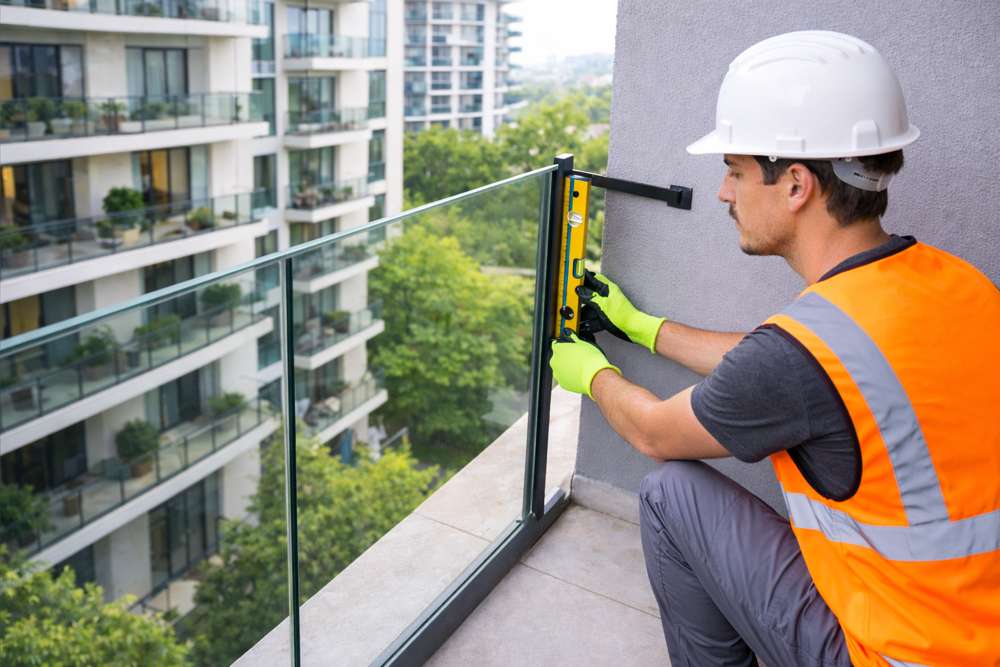
What Is SB721?
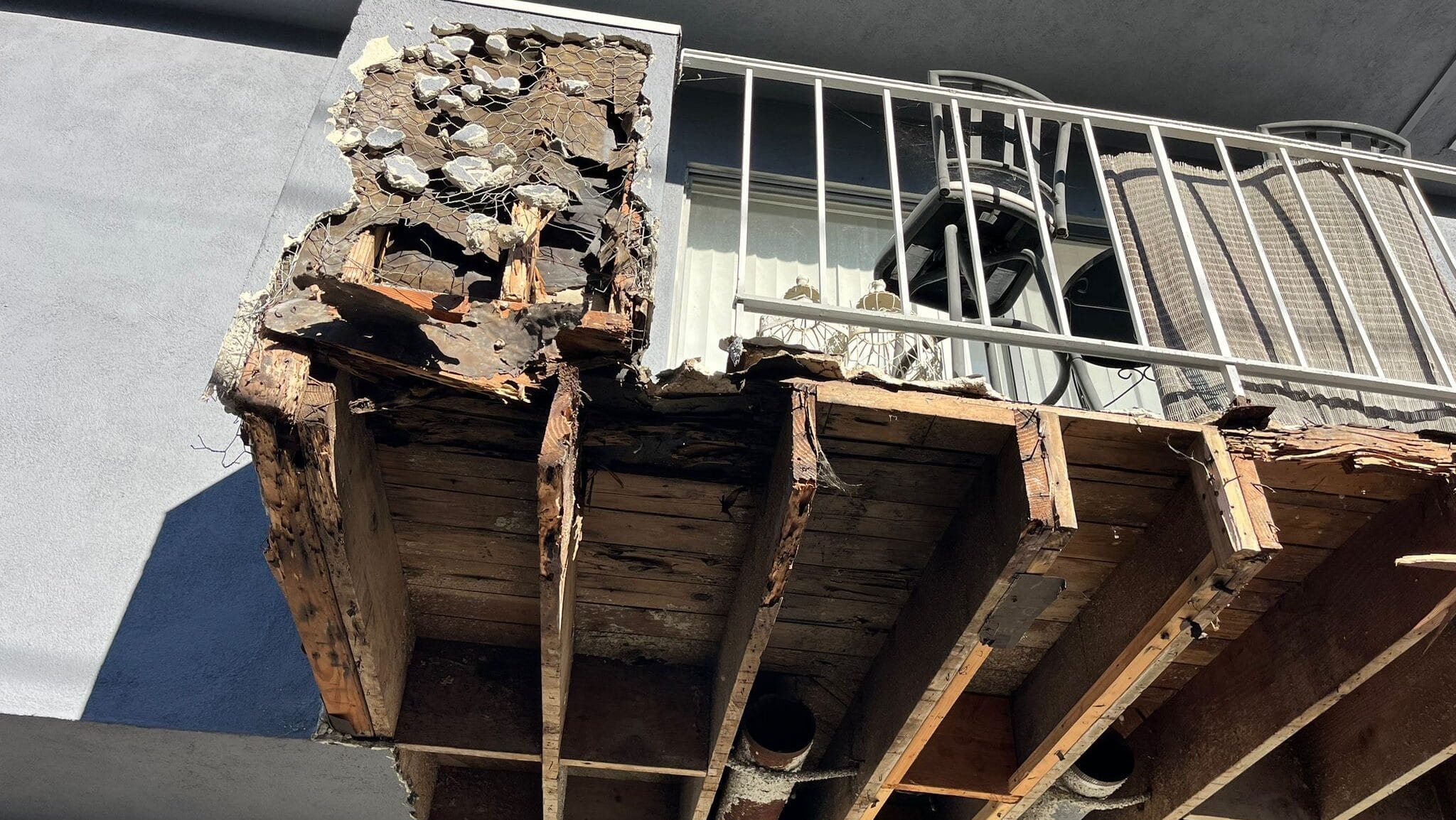
SB721 is a California law requiring inspections of qualifying exterior elevated elements (EEEs) on many multifamily residential buildings with three or more dwelling units. These elements can include balconies, decks, walkways, stairways, and similar structures that extend beyond exterior walls and rely substantially on wood or wood-based structural components.
The purpose of the law is to identify safety concerns, structural deterioration, and moisture-related damage before they become larger liabilities.
For owners and operators, compliance is not just a legal obligation—it also supports risk management, asset preservation, insurance readiness, and smoother transactions.
For a step-by-step breakdown, visit SB721 inspection process, SB721 report requirements, or SB721 exemptions.
SB721 AT A GLANCE
Who Needs SB721 Inspection Services?
Apartment Owners
Protect property value, prepare for sale or refinance, reduce liability exposure, and maintain compliance across qualifying assets.
Property Managers
Coordinate tenant access, streamline scheduling, maintain documentation, and keep ownership groups informed throughout the process.
Multifamily Operators
Execute inspections across multiple communities with standardized reporting, phased scheduling, and portfolio-wide oversight.
Why Owners Choose DrBalcony
California Licensed Engineering Team
Qualified professionals focused on structural safety, documentation accuracy, and code-aligned inspections.
SB721-Focused Workflows
Processes built specifically for apartment and multifamily compliance—not generic property inspections.
Portfolio Scheduling Capability
Efficient coordination for owners and operators managing multiple buildings or multiple markets.
Clear Compliance Reports
Actionable reports designed for ownership groups, managers, lenders, and stakeholders.
How the SB721 Inspection Process Works
CALCULATION STEPS
What Impacts SB721 Inspection Cost?
Every property is different. Pricing typically depends on:
Number of buildings
Total unit count
Access complexity
Quantity of exterior elevated elements
Geographic location and travel logistics
Ability to batch multiple sites into one rollout
For a detailed breakdown, visit SB721 inspection cost.
Need Accurate Pricing?
Get a tailored quote based on your property size, location, and inspection scope.
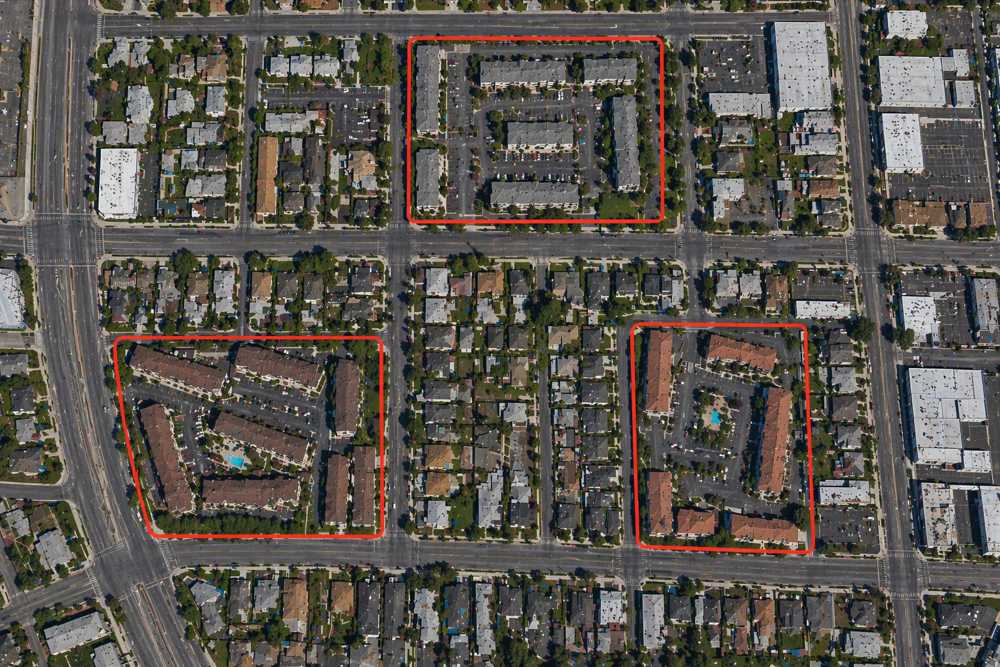
Own Multiple Properties?
We help investors, owner-operators, and management groups coordinate SB721 compliance across multiple California assets with organized rollout plans and consistent reporting
Portfolio Advantages:
- Consolidated scheduling across properties
- Phased budgeting for annual planning
- Standardized reports for internal review
- Regional deployment throughout California
Whether you own three buildings or thirty, we can structure a scalable inspection program.
If Deficiencies Are Identified, We Help You Move Forward
An inspection finding does not need to stall operations or transactions. Our team helps owners understand priorities, risk level, and practical next steps.
Support May Include:
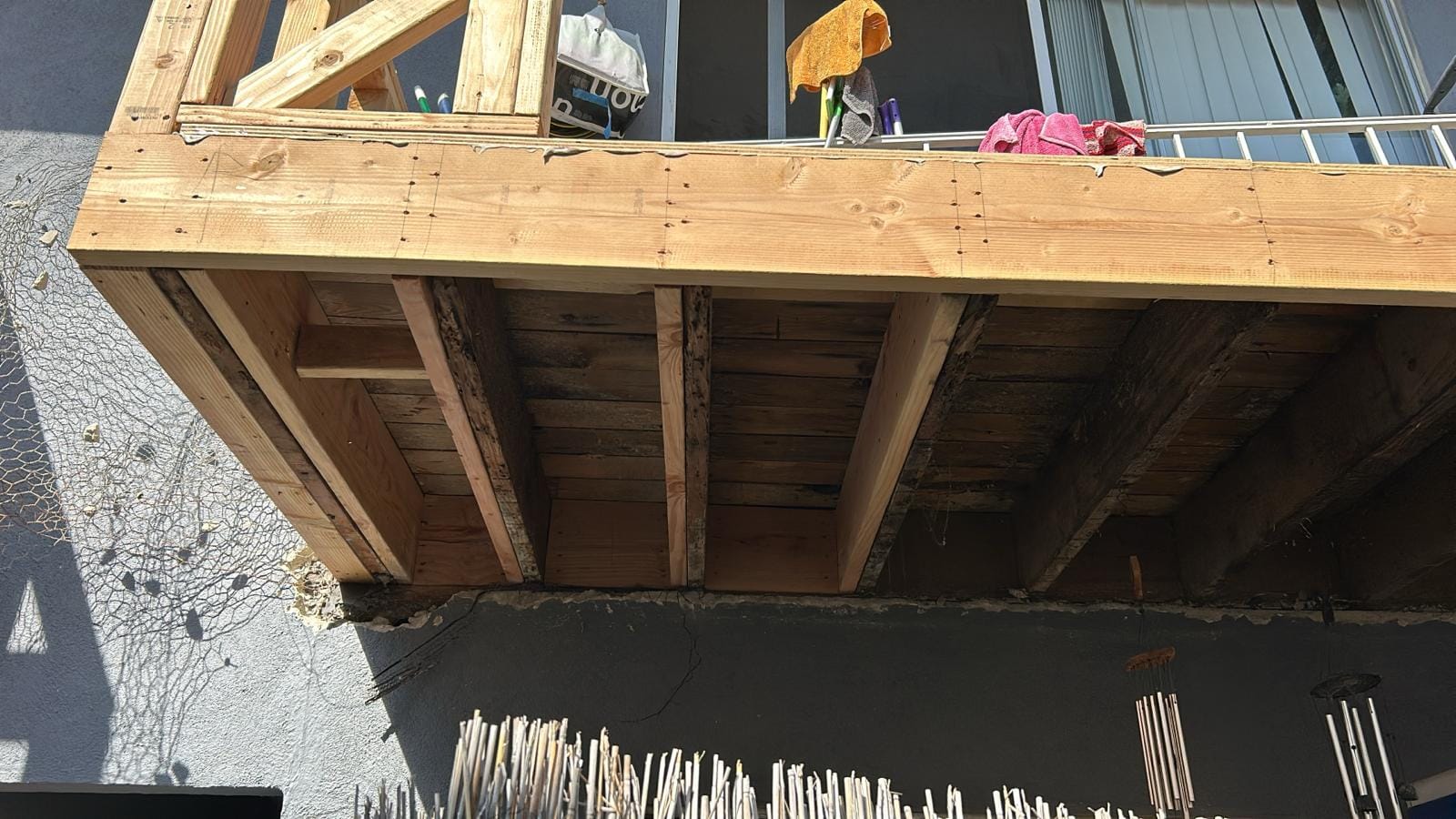
- Repair planning guidance
- Structural design coordination
- Scope development for contractors
- Documentation pathways for compliance closeout
If you already received a failed report or need corrective planning, visit Failed Balcony Inspection Next Steps.
Frequently Asked Questions
Does my apartment building need SB721?
Many California multifamily properties with three or more units and qualifying exterior elevated elements may fall under the law. Applicability depends on building configuration and structural components.
Are concrete buildings exempt?
Some structures may not qualify in the same way if they do not rely substantially on wood structural elements. A property-specific review is the best way to confirm.
How much does SB721 cost?
Cost varies based on size, number of buildings, access complexity, and inspection scope.
How long does it take?
Timing depends on scheduling availability, site size, access coordination, and report scope. Many projects can be planned efficiently with early scheduling.
Can tenants remain during inspection?
In many cases, yes. Access planning is coordinated to reduce disruption while maintaining safety.
What happens if I missed the deadline?
You should move promptly to schedule a qualified inspection and document compliance efforts. Early action helps reduce ongoing risk.