
El Cerrito Balcony Inspection Requirements at a Glance
El Cerrito’s California Balcony Laws – SB 326 & SB 721 page explains how California exterior elevated element inspection requirements apply to multi-unit residential buildings. The city identifies covered building types, covered exterior elevated elements, inspection professional categories, safety inspection purpose, and corrective repair steps.
| Requirement | El Cerrito Balcony Inspection Summary |
|---|---|
| Local program/page | City of El Cerrito California Balcony Laws – SB 326 & SB 721 |
| City department | City of El Cerrito Community Development Department / Building |
| Local ordinance number | No separate El Cerrito balcony ordinance number verified; the city page explains state SB 721 and SB 326 requirements |
| State law basis | SB 721 for buildings with three or more multifamily dwelling units; SB 326 for condominiums and other common interest developments |
| Applies to | Residential buildings with three or more dwelling or sleeping units and qualifying exterior elevated elements |
| Covered property examples | Apartment houses, tenants in common, live/work units, condominium projects, dormitories, fraternities, sororities, convents, monasteries, hotels, motels, vacation timeshare properties, boarding houses, congregate residences, residential assisted living facilities, and social rehabilitation residential facilities |
| Covered elements | Elevated wood and metal decks, balconies, landings, stairway systems, walkways, guardrails, handrails, fire escapes, and similar exterior elevated elements |
| Height threshold | More than six feet above adjacent grade |
| Element conditions | Weather-exposed, extending beyond exterior walls, and wood or steel framed, not concrete |
| SB 721 apartment deadline | January 1, 2026 under AB 2579 |
| SB 721 apartment cycle | Every six years |
| SB 326 condominium / CID deadline | January 1, 2025 |
| SB 326 condominium / CID cycle | At least once every nine years |
| Inspection purpose | Confirm exterior elevated elements are in generally safe condition, adequate working order, free from deterioration, decay, corrosion, similar damage, and active water intrusion in concealed spaces |
| Corrective work | If inspection finds issues that need correction, a building permit may be required |
| Non-emergency repair timeline | Apply for a permit within 120 days of submitting certification and complete corrective work within 120 days after permit approval |
What Are El Cerrito California Balcony Laws?
El Cerrito’s California Balcony Laws – SB 326 & SB 721 page explains the city’s local guidance for California exterior elevated element inspection requirements. The page addresses SB 721 for buildings with three or more multifamily dwelling units and SB 326 for condominiums and other common interest developments.
The city explains that owners of multi-unit buildings with exterior elevated elements located more than six feet above adjacent grade, such as decks or stairways, must hire a licensed or certified professional to perform a safety inspection.
For El Cerrito property owners, the practical question is not whether there is a unique local ordinance number. The more important question is whether the property is covered by SB 721 or SB 326, whether the exterior elevated elements need inspection, whether the report identifies safety issues or repair needs, and whether permits or follow-up inspections are required.
Do El Cerrito Balcony Inspection Requirements Apply to Your Building?
El Cerrito balcony inspection requirements may apply if your residential building has three or more dwelling or sleeping units and qualifying exterior elevated elements more than six feet above adjacent grade.
Covered Property Types
Covered Exterior Elevated Elements
SB 721 or SB 326?
El Cerrito’s city guidance covers both SB 721 and SB 326. SB 721 applies to qualifying multifamily rental properties, while SB 326 applies to condominiums and other common interest developments. The correct compliance path depends on property type, ownership structure, and the exterior elevated elements present.
What Counts as an Exterior Elevated Element in El Cerrito?
For El Cerrito balcony law compliance, exterior elevated elements are generally defined as building elements that are:
Key Criteria:
Common Examples:
El Cerrito’s official page states that exterior elevated elements include elevated wood and metal decks, balconies, decks, landings, stairway systems, walkways, guardrails, handrails, and fire escapes. The city page excludes concrete elements from this definition.
El Cerrito Balcony Laws vs. SB 721 vs. SB 326
El Cerrito property owners may hear several related terms: California Balcony Laws, SB 721, SB 326, exterior elevated elements, EEE inspection, balcony inspection law, certification, building permits, corrective work, and licensed professionals. These terms are connected, but they do not all mean the same thing.
El Cerrito Balcony Laws
El Cerrito’s California Balcony Laws – SB 326 & SB 721 page explains local guidance for statewide exterior elevated element inspection requirements. It identifies covered buildings, covered elements, inspection expectations, licensed professional categories, and corrective repair steps.
SB 721
SB 721 applies to buildings with three or more multifamily dwelling units and qualifying exterior elevated elements. El Cerrito’s AB 2579 update states that the SB 721 inspection deadline was extended to January 1, 2026, with ongoing inspections every six years.
SB 326
SB 326 applies to condominiums and other common interest developments with exterior elevated elements. El Cerrito’s update states that SB 326 EEE inspections are still required by January 1, 2025, with future inspections at least once every nine years.
How They Work Together in El Cerrito
SB 721 and SB 326 establish the statewide inspection requirements for multifamily rental properties and condominium or common interest development properties. El Cerrito’s local guidance explains how covered buildings and exterior elevated elements are identified, what licensed professionals may inspect, and when permit applications are required for corrective work.
El Cerrito Balcony Inspection Deadlines and Cycles
Inspection timing depends on whether the property is covered by SB 721 or SB 326.
SB 721 Multifamily Buildings
El Cerrito’s AB 2579 update states that the inspection deadline for exterior elevated elements originally set by SB 721 for buildings with three or more multifamily dwelling units was extended to January 1, 2026. Ongoing inspections are required every six years.
SB 326 Condominiums / CIDs
El Cerrito’s update states that SB 326 inspections for condominiums and other common interest developments are still required by January 1, 2025. Future inspections are required at least once every nine years.
Corrective Work
If an inspection finds issues that need correction, the owner may need to apply for a building permit. El Cerrito states that permits for non-emergency repairs should be applied for within 120 days of submitting the certification, and corrective work should be completed within 120 days after permit approval.
Who Can Perform an El Cerrito Balcony Inspection?
El Cerrito states that owners must hire a licensed or certified professional to inspect exterior elevated elements.
Inspection of condominium projects is limited to licensed structural engineers or architects.
The city page also references licensed general contractors, licensed architects, licensed civil engineers, licensed structural engineers, certified building inspectors, and certified building officials as relevant professional categories.
The City of El Cerrito cannot provide recommendations for licensed and certified professionals.
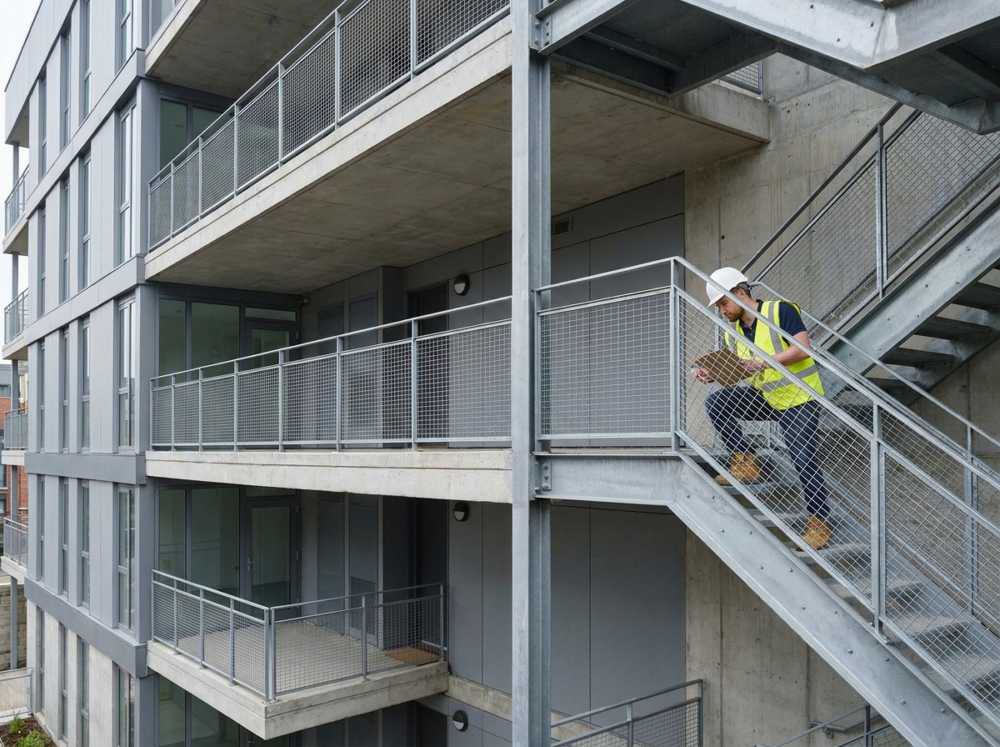
What Does an El Cerrito Balcony Inspection Look For?
An El Cerrito balcony inspection is intended to determine whether exterior elevated elements are in generally safe condition, in adequate working order, and free from deterioration, decay, corrosion, similar damage, or active water intrusion in concealed spaces that could pose a safety concern.
The purpose is to identify safety risks, document current conditions, evaluate whether repairs are needed, and clarify whether permit applications, follow-up inspections, or compliance documentation may be required.
What Happens After the El Cerrito Balcony Inspection?
After the inspection, the licensed or certified professional documents whether the exterior elevated elements are safe, in adequate working order, and free from deterioration, decay, corrosion, similar damage, or active water intrusion that could pose a safety concern.
If the inspection finds issues that need correction, the owner may need to apply for a building permit. El Cerrito states that permits for non-emergency repairs should be applied for within 120 days of submitting the certification, and corrective work should be completed within 120 days after permit approval.
Once work is complete, El Cerrito states that a second inspection is required.
Review the inspection findings
Identify affected exterior elevated elements
Determine whether corrective work is required
Apply for permits within the required timeline for non-emergency repairs
Complete corrective work within the required timeline after permit approval
ComSchedule a second inspection once work is completepleting a follow-up inspection
Submitting updated certification after work is comRetain inspection documentation for future compliance cyclespleted
Prepare for the next SB 721 or SB 326 inspection cycle
El Cerrito Balcony Inspection Process with DrBalcony
1
Property Review
We review your El Cerrito property type, ownership structure, unit count, and exterior elevated elements.
2
On-Site Inspection
A qualified professional inspects balconies, elevated decks, landings, stairway systems, walkways, guardrails, handrails, fire escapes, and related exterior elevated elements.
3
Report Documentation
We document exterior elevated element conditions, safety concerns, deterioration, decay, corrosion, water intrusion concerns, and corrective work needs.
4
Repair and Permit Guidance
If issues are found, we help clarify next steps for permits, corrective work, second inspections, and follow-up documentation.
5
Compliance Support
We help El Cerrito owners and HOAs understand what to submit, what to retain, and how to move forward under SB 721 or SB 326.
Why El Cerrito Property Owners Choose DrBalcony
El Cerrito balcony inspection compliance can be confusing because it connects statewide SB 721 and SB 326 requirements, different rules for multifamily and condominium properties, licensed professional qualifications, permit timelines, corrective work, second inspections, and future inspection cycles.
DrBalcony helps property owners and HOAs get clarity, document exterior elevated element conditions, and move forward with confidence if inspection, reporting, repairs, permits, or compliance planning are needed.
- Apartment building owners
- Condominium associations
- HOA boards
- Property managers
- Real estate investors
- Mixed-use building owners
- Owners with balconies, decks, stairways, walkways, guardrails, or handrails
- Owners who need help understanding El Cerrito balcony inspection requirements
El Cerrito Balcony Inspection FAQs
No separate El Cerrito balcony ordinance number has been verified. El Cerrito has an official California Balcony Laws – SB 326 & SB 721 page explaining state SB 721 and SB 326 exterior elevated element inspection requirements.
El Cerrito states that the requirement applies to residential buildings with three or more dwelling or sleeping units and qualifying exterior elevated elements.
El Cerrito describes exterior elevated elements as weather-exposed elements that extend beyond exterior walls, are located more than six feet above adjacent grade, and are wood or steel framed, not concrete. Examples include elevated decks, balconies, landings, stairway systems, walkways, guardrails, handrails, and fire escapes.
El Cerrito’s AB 2579 update states that the SB 721 deadline for buildings with three or more multifamily dwelling units was extended to January 1, 2026. Ongoing inspections are required every six years.
El Cerrito’s update states that SB 326 inspections for condominiums and other common interest developments are still required by January 1, 2025. Future inspections are required at least once every nine years.
El Cerrito states that inspection of condominium projects is limited to licensed structural engineers or architects.
El Cerrito references licensed general contractors, licensed architects, licensed civil engineers, licensed structural engineers, certified building inspectors, and certified building officials as relevant licensed or certified professional categories.
The inspection checks whether exterior elevated elements are in generally safe condition, in adequate working order, and free from deterioration, decay, corrosion, similar damage, or active water intrusion in concealed spaces that could pose a safety concern.
El Cerrito states that owners may need to apply for a permit to correct non-emergency repairs within 120 days of submitting the certification and complete corrective work within 120 days after permit approval. Once work is complete, the city states that a second inspection is required.
Yes. DrBalcony can help review your property type, inspect qualifying exterior elevated elements, document conditions, and clarify whether reports, repairs, permits, second inspections, or follow-up action may be needed.
Need help with El Cerrito balcony inspection requirements?
Get a clear answer on whether your property is covered, what needs to be inspected, and what to do if reports, repairs, permits, second inspections, or compliance follow-up are required.