
Fremont EEE Requirements at a Glance
Fremont’s Exterior Elevated Elements Inspections process applies to certain apartment and condominium buildings with wood-framed exterior elevated elements more than six feet above adjacent grade. Covered owners and HOAs must hire a licensed professional to perform the safety inspection and submit either an inspection report or an Exemption Declaration Form through the City’s Citizen Access portal.
| Requirement | Fremont EEE Inspection Summary |
|---|---|
| Local program/page | City of Fremont Exterior Elevated Elements Inspections |
| City department | City of Fremont Code Enforcement |
| Local ordinance number | No separate Fremont EEE ordinance number verified; the city process is based on state SB 721 and SB 326 requirements |
| State law basis | SB 721 / California Health and Safety Code Section 17973 for apartments; SB 326 / California Civil Code Section 5551 for condominiums |
| Applies to | Apartment and condominium buildings with three or more units and qualifying wood-framed exterior elevated elements |
| Covered elements | Balconies, walkways, decks, landings, railings, stairways, and similar exterior elevated elements |
| Height threshold | Wood-framed exterior elevated elements located more than six feet above adjacent grade |
| Material scope | Wood-framed exterior elevated elements |
| Apartment inspection deadline | January 1, 2025 is listed on Fremont’s main EEE page; Fremont’s apartment page also notes new buildings with permit applications submitted on or after January 1, 2019 are inspected no later than six years after certificate of occupancy |
| Apartment inspection cycle | Every six years |
| Condominium inspection deadline | January 1, 2025 for existing condominium buildings |
| Condominium inspection cycle | Every nine years |
| Required submission | Inspection report or Exemption Declaration Form |
| Submission method | City of Fremont Citizen Access online permitting portal |
| Immediate hazard reporting | Reports with immediate safety threats, access restrictions, emergency repairs, or shoring must be submitted to the owner and the City within 15 days |
What Is Fremont’s Exterior Elevated Elements Inspection Process?
Fremont’s Exterior Elevated Elements Inspections page explains the city’s local process for implementing California’s balcony and exterior elevated element inspection laws. The city identifies separate state laws for apartment buildings and condominium buildings: SB 721 for apartments and SB 326 for condominiums.
The City of Fremont requires covered owners and HOAs to hire a licensed professional to perform the safety inspection. If the building is covered, the inspection report must be submitted to the City through Citizen Access. If the building is exempt, the owner or HOA must still submit an Exemption Declaration Form.
For Fremont property owners, the practical question is not whether there is a unique local ordinance number. The more important question is whether the property has three or more units, whether it has wood-framed exterior elevated elements more than six feet above adjacent grade, and whether the property requires an inspection report or exemption submission.
Do Fremont’s EEE Requirements Apply to Your Building?
Fremont EEE requirements may apply if your apartment or condominium building has three or more units and wood-framed exterior elevated elements more than six feet above adjacent grade.
Covered Property Types
Covered Exterior Elevated Elements
Inspection Report or Exemption Declaration?
If the building is covered, the owner or HOA must submit an inspection report through the City of Fremont Citizen Access portal. If the building is not subject to the requirements because of building type or because it does not have qualifying exterior elevated elements, the owner or HOA must still submit the City’s Exemption Declaration Form.
What Counts as an Exterior Elevated Element in Fremont?
For Fremont EEE compliance, exterior elevated elements generally include building features that:
Key Criteria:
Common Examples:
Fremont’s guidance focuses on wood-framed exterior elevated elements more than six feet above adjacent grade. If a building has no qualifying exterior elevated elements or does not meet the covered building criteria, an Exemption Declaration Form may still be required.
Fremont EEE Requirements vs. SB 721 vs. SB 326
Fremont property owners may hear several related terms: Exterior Elevated Elements, EEE inspection, SB 721, SB 326, inspection report, Exemption Declaration Form, Citizen Access, and Code Enforcement. These terms are connected, but they do not all mean the same thing.
Fremont EEE Process
Fremont EEE refers to the City’s local process for implementing exterior elevated element inspection requirements. Covered property owners and HOAs must hire a licensed professional and submit an inspection report through Citizen Access, or submit an Exemption Declaration Form if the building is not subject to the laws.
SB 721
SB 721 applies to apartment buildings with three or more units that have wood-framed exterior elevated elements located more than six feet above adjacent grade. Fremont’s apartment page explains that SB 721 applies to apartment buildings, while SB 326 applies to condominium buildings.
SB 326
SB 326 applies to condominium buildings and HOAs with three or more units and qualifying wood-framed exterior elevated elements more than six feet above adjacent grade. Fremont states that the HOA is responsible for fulfilling the SB 326 requirements, including inspection, maintenance, and repair.
How They Work Together in Fremont
SB 721 and SB 326 establish the inspection requirements for apartment buildings and condominium buildings. Fremont’s local process explains how covered owners and HOAs submit inspection reports or Exemption Declaration Forms through Citizen Access. If an inspection finds issues that need correction, the issues may need to be reported to the City of Fremont Building Official, and repair work may require a building permit.
Fremont Inspection Deadlines and Cycles
Inspection timing depends on whether the property is an apartment building or a condominium building.
Apartments / Multifamily Buildings
Fremont’s main EEE page states that the deadline to complete the first safety inspection of elevated exterior elements is January 1, 2025. Subsequent inspections for apartments are required once every six years.
Condominiums / HOAs
For condominium buildings covered by SB 326, Fremont states that subsequent inspections are required once every nine years. For new condominium associations with permit applications submitted after January 1, 2020, the first inspection deadline is within six years of the certificate of occupancy.
Newer Buildings and Exemptions
Fremont’s apartment page states that buildings with permit applications submitted on or after January 1, 2019 must be inspected no later than six years after the certificate of occupancy. If a building is not subject to the laws, the owner or HOA must still submit an Exemption Declaration Form.
Who Can Perform an EEE Inspection?
Fremont requires covered owners and HOAs to hire a licensed professional to perform the safety inspection. A current employee of the City of Fremont cannot perform the inspection.
For apartment buildings under SB 721, qualified inspectors may include a licensed architect, licensed civil or structural engineer, a certified building inspector or building official from a recognized state, national, or international association, or a building contractor holding an “A,” “B,” or “C-5” license classification with at least five years of experience constructing multi-story wood-frame buildings.
For condominium buildings under SB 326, HOAs must hire a licensed architect, licensed civil engineer, or licensed structural engineer.
What Does the Inspection Look For?
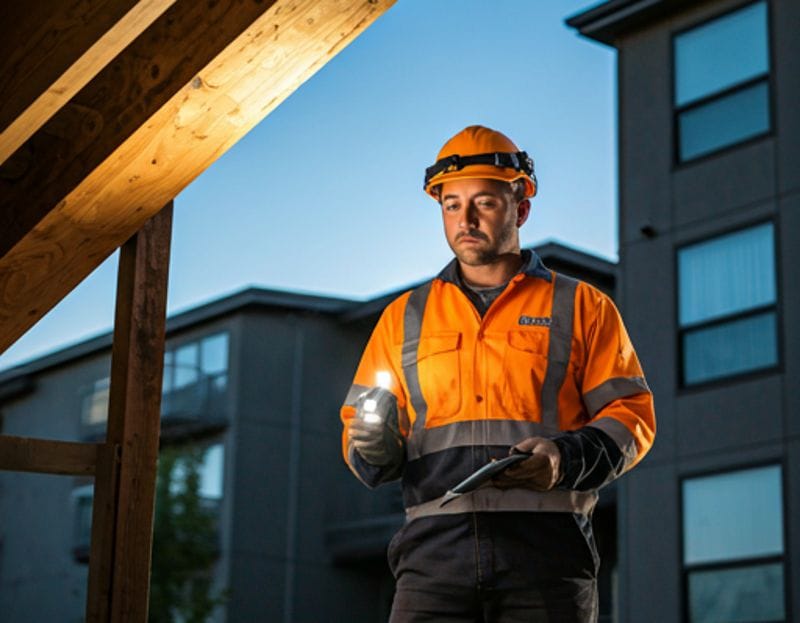
A Fremont EEE inspection is intended to determine whether exterior elevated elements and associated waterproofing materials and methods are in generally safe condition, adequate working order, and free from hazardous conditions caused by fungus, deterioration, decay, or improper alteration.
What Happens After the Inspection?
After the inspection, the licensed professional produces a report that includes findings and photos sufficient to document the condition of the exterior elevated elements. For apartment buildings, the report must be provided to the property owner or designated agent within 45 days. For condominiums, the report must be provided to the HOA board within 45 days.
If an immediate safety issue is found, the licensed professional must provide the report to the owner or HOA and to the City within 15 days. The owner or HOA must take preventive measures immediately, such as preventing occupant access until emergency repairs are completed, inspected, and approved.
For non-emergency corrective work, the property owner or HOA must apply for a building permit within 120 days and correct the condition within 120 days after the permit is issued.
Review the inspection findings
Identify affected exterior elevated elements
Determine whether an emergency condition exists
Provide the stamped or signed report to the owner, agent, or HOA board
Submit required inspection report or Exemption Declaration through Citizen Access
Restrict access or begin preventive measures if an immediate safety issue is found
Apply for permits within the required timeline for non-emergency repairs
Complete repairs and retain reports for the required inspection cycles
Inspection Process with DrBalcony
1
Property Review
We review your Fremont property type, ownership structure, unit count, and exterior elevated elements.
2
On-Site Inspection
A qualified professional inspects balconies, walkways, decks, landings, railings, stairways, and associated waterproofing materials.
3
Report Documentation
We document exterior elevated element conditions, photos, safety concerns, future performance, and repair or permit needs.
4
Form and Repair Guidance
We help clarify inspection report, Exemption Declaration, Citizen Access, permit, repair, and Code Enforcement requirements when they apply.
5
Compliance Support
We help Fremont owners and HOAs understand what to submit, what to retain, and how to move forward after inspection.
Why Fremont Property Owners Choose DrBalcony
Fremont EEE compliance can be confusing because it connects state inspection laws, city report submission, exemption declarations, Citizen Access requirements, emergency reporting, permit timelines, and different rules for apartment buildings and condominium HOAs.
DrBalcony helps property owners and HOAs get clarity, document exterior elevated element conditions, and move forward with confidence if inspection, exemption, reporting, repairs, or permit coordination are needed.
- Apartment building owners
- Condominium associations
- HOA boards
- Property managers
- Real estate investors
- Mixed-use building owners
- Owners with balconies, decks, walkways, landings, railings, or stairways
- Owners who need help understanding Fremont EEE reports or exemptions
Inspection FAQs
No separate Fremont EEE ordinance number has been verified. Fremont has an official Exterior Elevated Elements Inspections process based on California SB 721 for apartments and SB 326 for condominiums.
Fremont states that apartment and condominium buildings are subject to the laws if they have three or more units, wood-framed exterior elevated elements more than six feet above adjacent grade, and are classified as apartment or condominium buildings.
Fremont lists examples including balconies, walkways, decks, landings, railings, and stairways. The elements must be wood-framed exterior elevated elements located more than six feet above adjacent grade.
Fremont’s main EEE page states that the deadline to complete the first safety inspection of elevated exterior elements is January 1, 2025. Subsequent inspections for apartments are required every six years.
Fremont states that subsequent inspections for condominiums are required once every nine years. For new condominium associations with permit applications submitted after January 1, 2020, the first inspection deadline is within six years of the certificate of occupancy.
Yes. Fremont states that if the law does not apply because of building type or because the building does not have exterior elevated elements, the owner or HOA must still submit the City’s Exemption Declaration Form.
For apartment buildings under SB 721, Fremont lists licensed architects, licensed civil or structural engineers, certified building inspectors or building officials from recognized associations, and qualified licensed contractors with A, B, or C-5 classifications and relevant multistory wood-frame experience.
For condominium buildings under SB 326, Fremont states that HOAs must hire a licensed architect, licensed civil engineer, or licensed structural engineer.
If an exterior elevated element poses an immediate threat or requires occupant access prevention, emergency repairs, or shoring, the licensed professional must provide the report to the owner or HOA and to the City within 15 days. Preventive measures must begin immediately.
Fremont states that reports and Exemption Declaration Forms are submitted through the City’s Citizen Access online permitting portal.
Yes. DrBalcony can help review your property type, inspect qualifying exterior elevated elements, document conditions, and clarify whether an inspection report, Exemption Declaration, repairs, permits, or follow-up action may be needed.
Need help with Fremont EEE inspection requirements?
Get a clear answer on whether your property is covered, what needs to be inspected, and what to submit if reports, exemptions, repairs, or permit coordination are required.